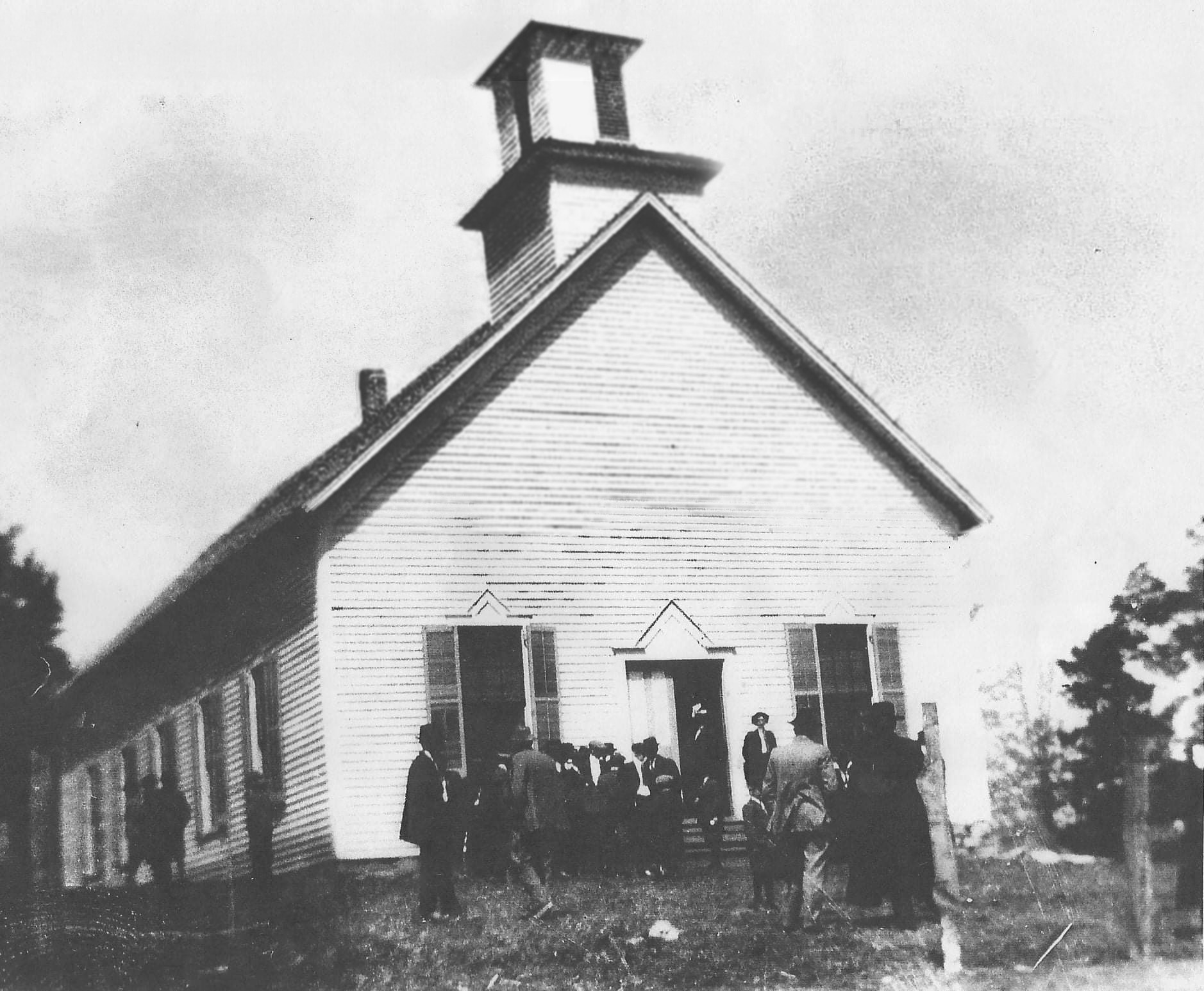
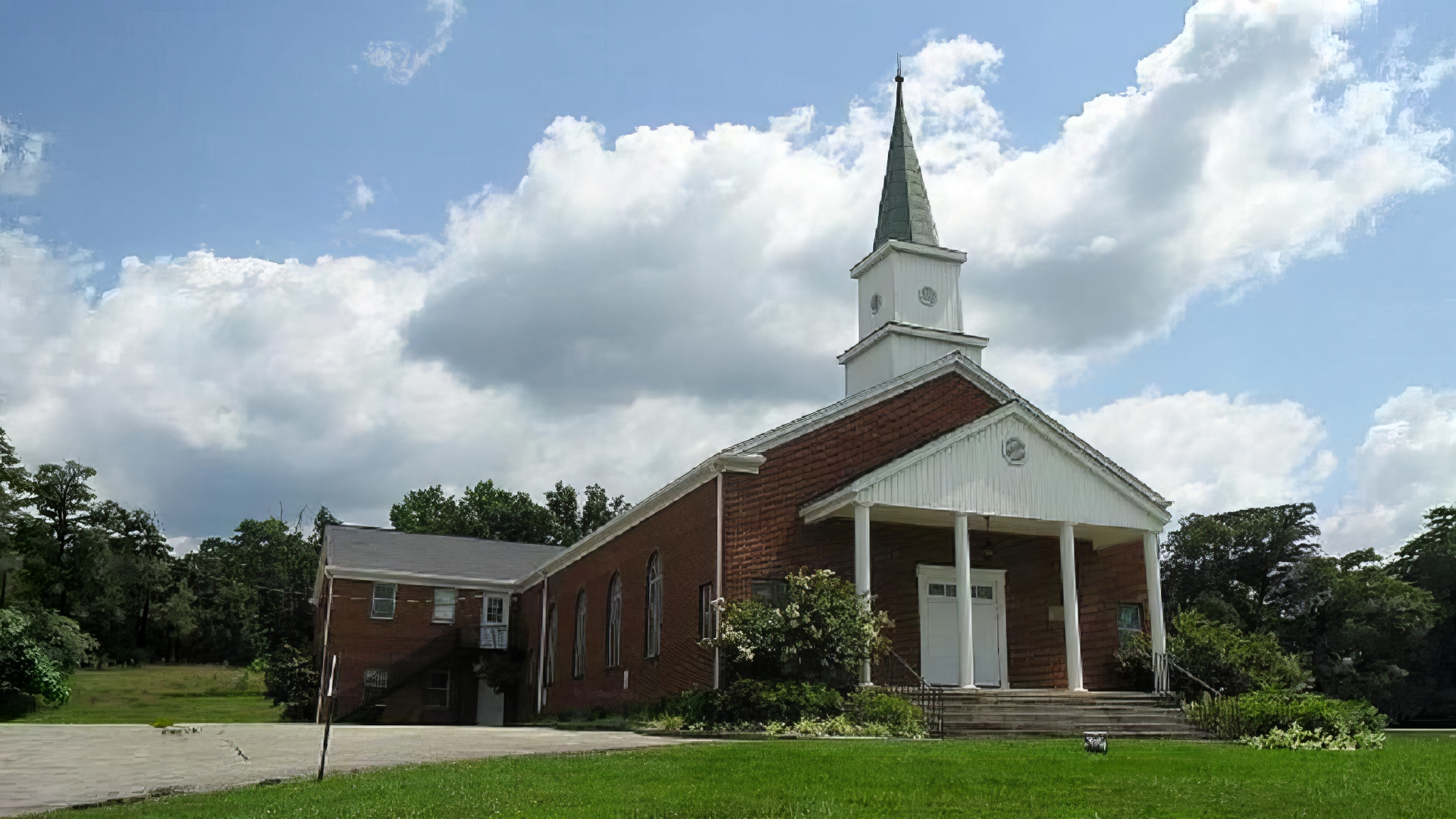
Richland Baptist Church was established in 1789, making it the 11th oldest church in the state of Tennessee. Formerly known as Beaver Creek Church, for over 230 years Richland has been a staple in the community of Blaine, TN.
From the very beginning, Richland has had a rich history of training disciples and sending disciples — and to this day, we are still focused on doing those very things.
Christ has called us to so much more than just meeting in a building. We are doing our best to glorify Him through His Word and what He has called us to.
Know Christ.
Make Him Known.
Richland Baptist Church exists solely to KNOW CHRIST and MAKE HIM KNOWN. Everything we do as a church body is rooted in that mission — in knowing Jesus and making Him known to the world.
We believe strongly that the Word of God must be the center in which all things are carried out. We read the Word of God, we study the Word of God, we worship in the knowledge of the Word of God, and we go out to the nations declaring the Word of God.
Richland Baptist Church holds to the Baptist Faith & Message as our statement of faith. Select any article below to learn more.
The Holy Bible was written by men divinely inspired and is God's revelation of Himself to man. It is a perfect treasure of divine instruction. It has God for its author, salvation for its end, and truth, without any mixture of error, for its matter. Therefore, all Scripture is totally true and trustworthy.
It reveals the principles by which God judges us, and therefore is, and will remain to the end of the world, the true center of Christian union, and the supreme standard by which all human conduct, creeds, and religious opinions should be tried.
2 Timothy 3:16–17 · 2 Peter 1:20–21 · Psalm 119:11 · John 17:17
There is one and only one living and true God. He is an intelligent, spiritual, and personal Being — the Creator, Redeemer, Preserver, and Ruler of the universe. The eternal triune God reveals Himself to us as Father, Son, and Holy Spirit, with distinct personal attributes, but without division of nature, essence, or being.
A. God the Father
God as Father reigns with providential care over His universe. He is all powerful, all knowing, all loving, and all wise. God is Father to those who become His children through faith in Jesus Christ.
B. God the Son
Christ is the eternal Son of God. In His incarnation He was conceived by the Holy Spirit and born of the virgin Mary. He honored the divine law by His personal obedience, and in His substitutionary death made provision for the redemption of men from sin. He was raised from the dead with a glorified body, ascended into heaven, and is now exalted at the right hand of God.
C. God the Holy Spirit
The Holy Spirit is the Spirit of God, fully divine. He inspired holy men to write the Scriptures, exalts Christ, convicts of sin, and calls men to the Saviour. At regeneration He baptizes every believer into the Body of Christ and seals the believer unto the day of final redemption.
Genesis 1:1 · John 1:1–3 · Matthew 28:19 · 2 Corinthians 13:14 · Romans 8:14–17
Man is the special creation of God, made in His own image. He created them male and female as the crowning work of His creation. By his free choice man sinned against God and brought sin into the human race. Through the temptation of Satan man transgressed the command of God, and fell from his original innocence whereby his posterity inherit a nature and an environment inclined toward sin.
Only the grace of God can bring man into His holy fellowship and enable man to fulfill the creative purpose of God. The sacredness of human personality is evident in that God created man in His own image, and in that Christ died for man; therefore, every person of every race possesses full dignity and is worthy of respect and Christian love.
Genesis 1:26–30 · 2:5–7 · Romans 3:23 · 5:12 · Ephesians 2:1–3
Salvation involves the redemption of the whole man, and is offered freely to all who accept Jesus Christ as Lord and Saviour, who by His own blood obtained eternal redemption for the believer. In its broadest sense salvation includes regeneration, justification, sanctification, and glorification.
There is no salvation apart from personal faith in Jesus Christ as Lord. Repentance and faith are inseparable experiences of grace. Regeneration, or the new birth, is a work of God's grace whereby believers become new creatures in Christ Jesus. Justification is God's gracious and full acquittal upon principles of His righteousness of all sinners who repent and believe in Christ.
John 3:16 · Acts 4:12 · Romans 10:9–10 · Ephesians 2:8–9 · Titus 3:5
Election is the gracious purpose of God, according to which He regenerates, justifies, sanctifies, and glorifies sinners. It is consistent with the free agency of man, and comprehends all the means in connection with the end. It is the glorious display of God's sovereign goodness, and is infinitely wise, holy, and unchangeable.
All true believers endure to the end. Those whom God has accepted in Christ, and sanctified by His Spirit, will never fall away from the state of grace, but shall persevere to the end.
Romans 8:29–30 · 9:10–16 · Ephesians 1:4–11 · John 10:27–29 · Philippians 1:6
A New Testament church of the Lord Jesus Christ is an autonomous local congregation of baptized believers, associated by covenant in the faith and fellowship of the gospel, observing the two ordinances of Christ, governed by His laws, exercising the gifts, rights, and privileges invested in them by His Word.
Each congregation operates under the Lordship of Christ through democratic processes. In such a congregation each member is responsible and accountable to Christ as Lord. Its scriptural officers are pastors and deacons.
Matthew 16:18 · Acts 2:41–42 · 1 Corinthians 3:16 · Ephesians 1:22–23 · Hebrews 10:25
Christian baptism is the immersion of a believer in water in the name of the Father, the Son, and the Holy Spirit. It is an act of obedience symbolizing the believer's faith in a crucified, buried, and risen Saviour, the believer's death to sin, the burial of the old life, and the resurrection to walk in newness of life in Christ Jesus.
The Lord's Supper is a symbolic act of obedience whereby members of the church, through partaking of the bread and the fruit of the vine, memorialize the death of the Redeemer and anticipate His second coming.
Matthew 3:13–17 · 26:26–30 · Acts 2:41–42 · Romans 6:3–5 · 1 Corinthians 11:23–29
The first day of the week is the Lord's Day. It is a Christian institution for regular observance. It commemorates the resurrection of Christ from the dead and should include exercises of worship and spiritual devotion, both public and private. Activities on the Lord's Day should be commensurate with the Christian's conscience under the Lordship of Jesus Christ.
Exodus 20:8–11 · Matthew 28:1 · Acts 20:7 · Revelation 1:10 · John 20:19–28
The Kingdom of God includes both His general sovereignty over the universe and His particular kingship over men who willfully acknowledge Him as King. Particularly the Kingdom is the realm of salvation into which men enter by trustful, childlike commitment to Jesus Christ.
When the Lord Jesus Christ returns in glory, He will establish His Kingdom in its fullness. Christians ought to pray and to labor that the Kingdom may come and God's will be done on earth.
Matthew 6:10 · 13:1–52 · Luke 17:20–21 · Revelation 11:15 · 1 Corinthians 15:24–28
God, in His own time and in His own way, will bring the world to its appropriate end. Jesus Christ will return personally and visibly in glory to the earth; the dead will be raised; and Christ will judge all men in righteousness.
The unrighteous will be consigned to Hell, the place of everlasting punishment. The righteous in their resurrected and glorified bodies will receive their reward and will dwell forever in Heaven with the Lord.
Matthew 24:27–30 · Acts 1:11 · 1 Thessalonians 4:13–18 · Revelation 20:11–15 · John 14:1–3
It is the duty and privilege of every follower of Christ and of every church of the Lord Jesus Christ to endeavor to make disciples of all nations. The new birth of man's spirit by God's Holy Spirit means the birth of love for others. Missionaries are sent to evangelize and to establish churches and to serve mankind by ways of mercy and grace.
A cooperative program of missions under the direction of the Holy Spirit is both valid and necessary. The Lord Jesus Christ has commanded the preaching of the gospel to all nations.
Matthew 28:18–20 · Mark 16:15–16 · Acts 1:8 · Romans 1:16 · 1 Corinthians 9:19–23
Christianity is the faith of enlightenment and intelligence. In Jesus Christ abide all the treasures of wisdom and knowledge. All sound learning is, therefore, a part of our Christian heritage. The new birth opens all human faculties and creates a thirst for knowledge.
The church and all organizations of Christian civilization should cultivate a Christian atmosphere in education. An adequate system of Christian education is necessary to a complete spiritual program for Christ's people.
Deuteronomy 4:1 · 6:1–10 · Proverbs 4:1–10 · Colossians 2:3 · 2 Timothy 2:15
God is the source of all blessings, temporal and spiritual; all that we have and are we owe to Him. Christians have a spiritual debtorship to the whole world, a holy trusteeship in the gospel, and a binding stewardship in their possessions. They are therefore under obligation to serve Him with their time, talents, and material possessions.
According to the Scriptures, Christians should contribute of their means cheerfully, regularly, systematically, proportionately, and liberally for the advancement of the Redeemer's cause on earth.
Genesis 14:20 · Leviticus 27:30–32 · Malachi 3:10 · 2 Corinthians 9:6–7 · 1 Corinthians 16:1–2
Christ's people should, as occasion requires, organize such associations and conventions as may best secure cooperation for the great objects of the Kingdom of God. Such organizations have no authority over one another or over the churches. They are voluntary and advisory bodies designed to elicit, combine, and direct the energies of our people in the most effective manner.
Acts 15:1–35 · 1 Corinthians 1:10–17 · Philippians 1:27 · Ephesians 4:1–6
All Christians are under obligation to seek to make the will of Christ supreme in our own lives and in human society. Means and methods used for the improvement of society and the establishment of righteousness among men can be truly and permanently helpful only when they are rooted in the regeneration of the individual by the saving grace of God in Jesus Christ.
Amos 5:21–24 · Matthew 22:36–40 · Galatians 5:13–14 · James 2:1–9 · 1 Peter 2:13–16
It is the duty of Christians to seek peace with all men on principles of righteousness. In accordance with the spirit and teachings of Christ they should do all in their power to put an end to war. The true remedy for the war spirit is the gospel of our Lord. The supreme need of the world is the acceptance of His teachings in all the affairs of men and nations.
Isaiah 2:4 · Matthew 5:9 · Romans 12:18–19 · Hebrews 12:14 · James 4:1–2
God alone is Lord of the conscience, and He has left it free from the doctrines and commandments of men which are contrary to His Word or not contained in it. Church and state should be separate. The state owes to every church protection and full freedom in the pursuit of its spiritual ends.
A free church in a free state is the Christian ideal, and this implies the right of free and unhindered access to God on the part of all men, and the right to form and propagate opinions in the sphere of religion without interference by the civil power.
Matthew 22:21 · Acts 4:19–20 · Romans 13:1–7 · Galatians 5:1 · Revelation 22:17
God has ordained the family as the foundational institution of human society. It is composed of persons related to one another by marriage, blood, or adoption. Marriage is the uniting of one man and one woman in covenant commitment for a lifetime. It is God's unique gift to reveal the union between Christ and His church.
The husband and wife are of equal worth before God. The husband is to love his wife as Christ loved the church. The wife is to submit herself graciously to the servant leadership of her husband. Parents are to demonstrate to their children God's pattern for marriage.
Genesis 2:15–25 · Ephesians 5:22–33 · 6:1–4 · Colossians 3:18–21 · Proverbs 22:6
We believe you'll feel loved the moment you walk through the door. Whether it's your first time or you're ready to get more involved, there's a place for you here.